


Description
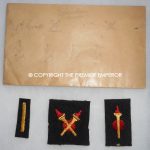
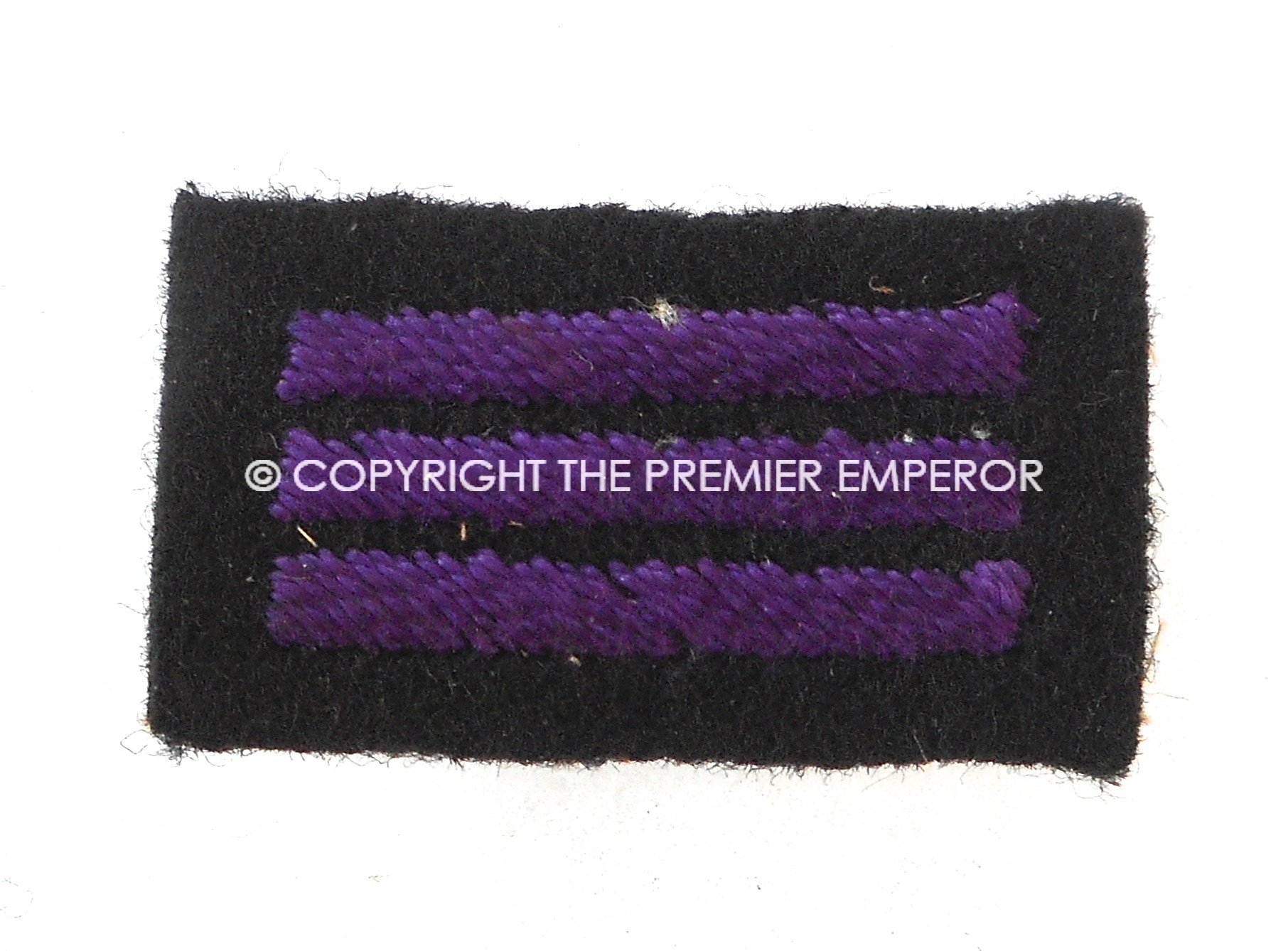
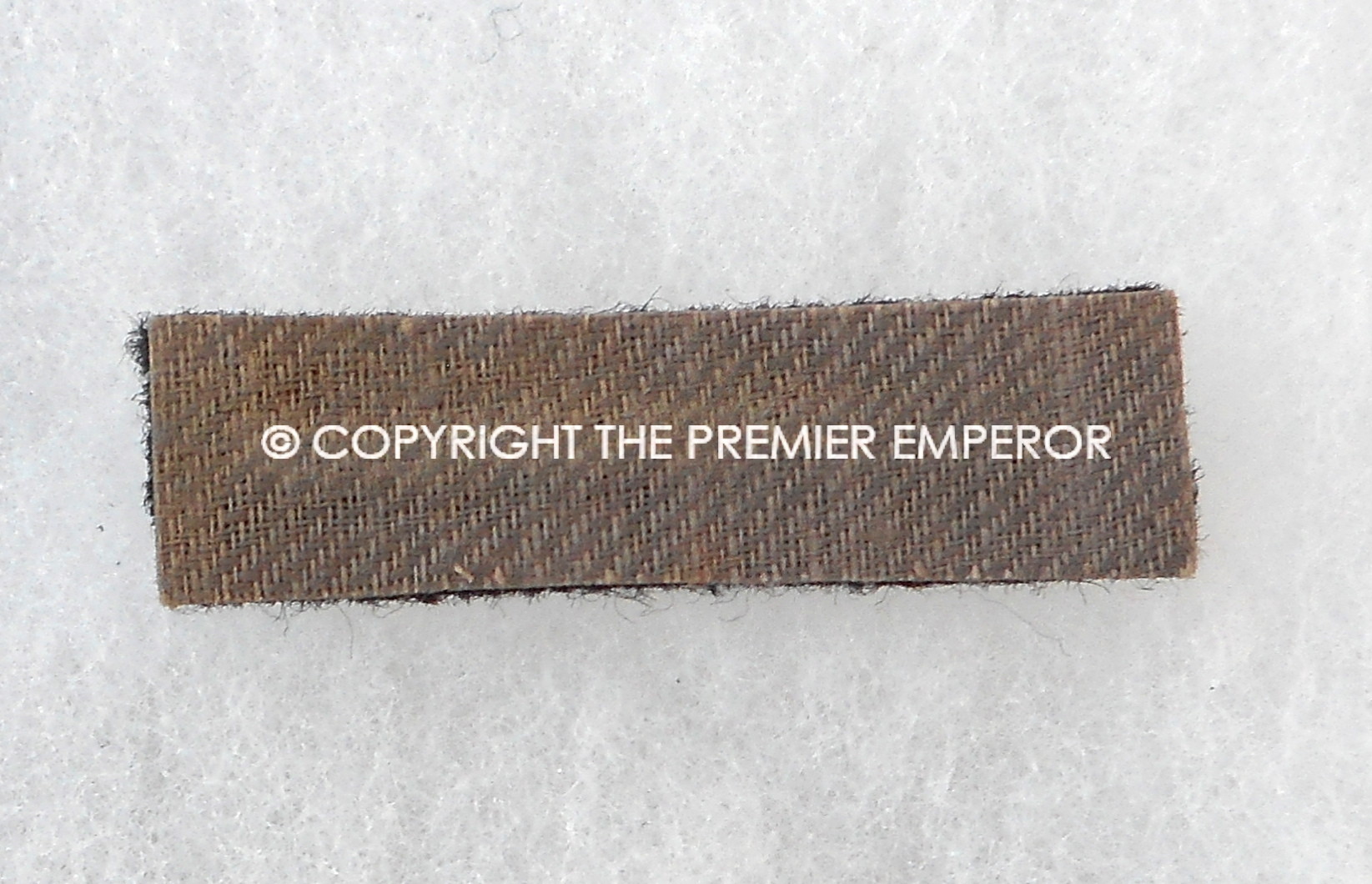
British: Very Rare set of BUF(British Union of Fascists)Propaganda Section Grade badges. Circa.1930’s
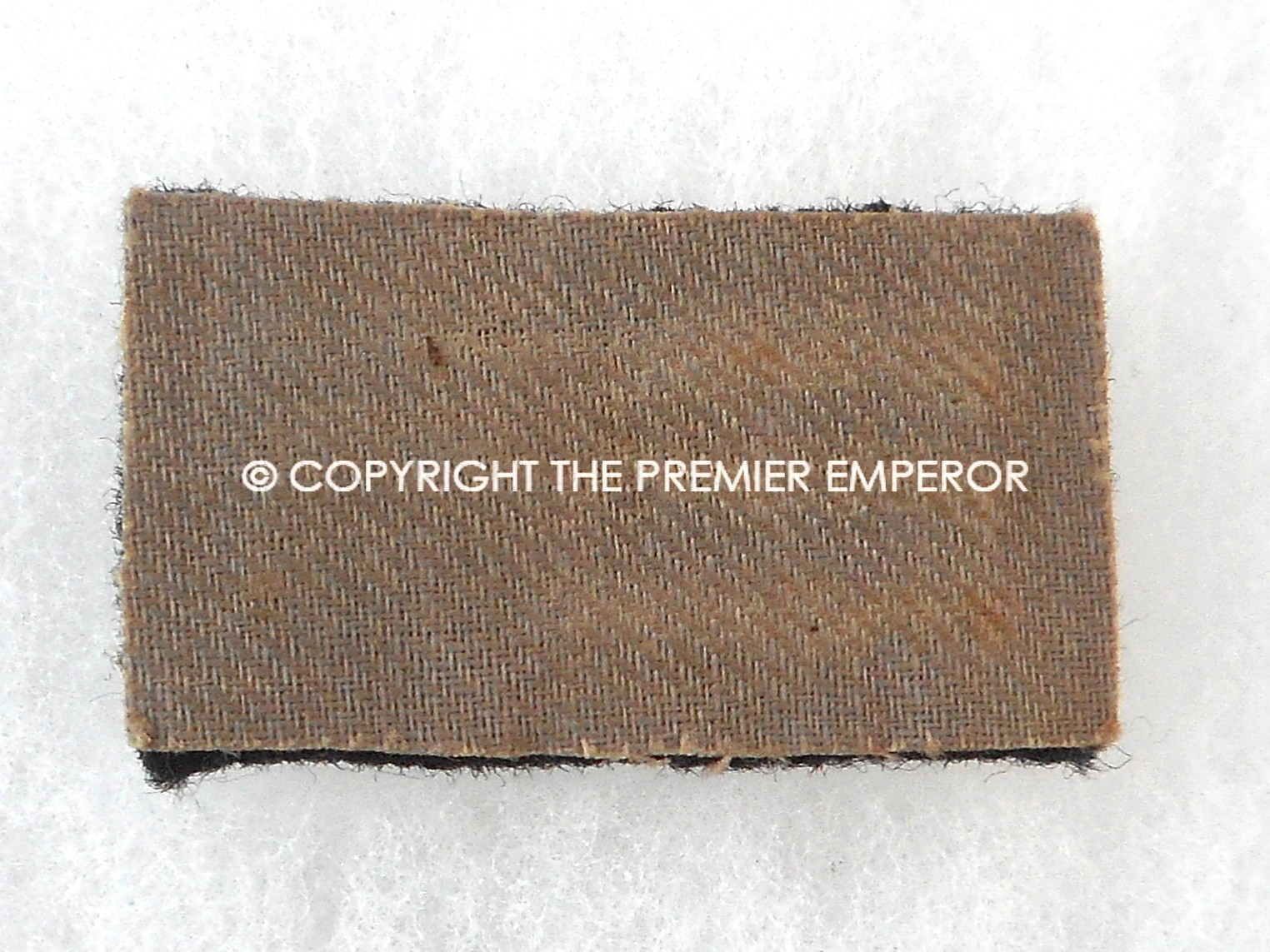
An exceedingly rare collection of Four of the BUF Propaganda section rank/grade insignia contained in an original brown envelope from the manufacturers, written on the envelope is the explanation of the grading.The badges which are small woven badges are as follows: 1st Grade, 2nd Grade and 3rd Grade together with the shirt lightning flash, all in purple weave upon a black background. All are in near mint condition and are extremely rare and difficult to find.
**IMPORTANT
Post & Packaging Worldwide is FREE
PLEASE NOTE:- WE HAVE ACQUIRED A SMALL COLLECTION OF VERY RARE BUF ITEMS OF WHICH ALL WILL EVENTUALLY BE LISTED ON THIS WEBSITE FOR SALE OR EXCHANGE. RARE BADGES & INSIGNIA, MORE V.RARE POSTERS & MUCH PAPERWORK/EPHEMERA.
Brief History:-
The British Union of Fascists, or BUF, was a fascist political party in the United Kingdom formed in 1932 by Oswald Mosley. It changed its name to the British Union of Fascists and National Socialists in 1936 and, in 1937, to British Union. It was finally disbanded in 1940, after it was proscribed by the British government following the start of the World War Two
The BUF emerged in 1932 from the British Far-Right, following the electoral defeat of its antecedent, the New Party, in the 1931 General Election. The BUF’s foundation was initially met with popular support, and it attracted a sizeable following. The press baron Lord Rothermere was a notable early supporter. As the party became increasingly radical, however, support declined. The Olympia Rally of 1934, in which a number of anti-Fascist protestors were attacked, isolated the party from much of its following. The party’s embrace of Nazi-style anti-semitism in 1936 led to increasingly violent clashes with opponents, notably the 1936 Battle of Cable Street ‘in London’s East End. The Public Order Act of 1936 which banned political uniforms and responded to increasing political violence, had a particularly strong effect on the BUF whose supporters were known as “Blackshirts” after the uniforms they wore.
Growing British hostility towards Nazi Germany, with which the British press persistently associated the BUF, further contributed to the decline of the movement’s membership. It was finally banned by the British government in 1940 after the start of the Second World War, amid suspicion that its remaining supporters might form a pro-Nazi “fifth column”. A number of prominent BUF members were arrested and interned under Defence Regulations 18B.